History and models
Audi
Audi was founded in 1909 by August Horch, and its name is the Latin translation of his surname: “horch”, listen. Its four rings stand for the four brands that merged into Auto Union in 1932, and since the 1980s its motto, “Vorsprung durch Technik”, has rested on quattro all-wheel drive, TDI engines and aluminium bodies.
Here is its history year by year: the brand’s milestones, how its logo has changed and the generations of every model Move has in its catalogue, with specs and maintenance plan.
How the Audi logo has changed
6 versions of the logo, from the first to today’s.
-
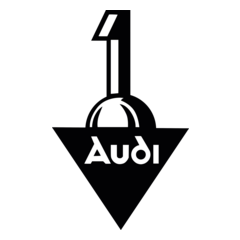 1910–1932
The “1” above a triangle bearing the Audi name
-
 1932–1969
Auto Union: four rings with the Audi, DKW, Horch and Wanderer emblems
-
 1969–1978
Black oval, from the Audi NSU years
-
 1978–1995
Red oval
-
 1995–2009
The four rings become the logo, with “Audi” in red
-
 2016–today
Flat black rings, designed for screens
Audi models
Each with its generation timeline, specs and maintenance plan.
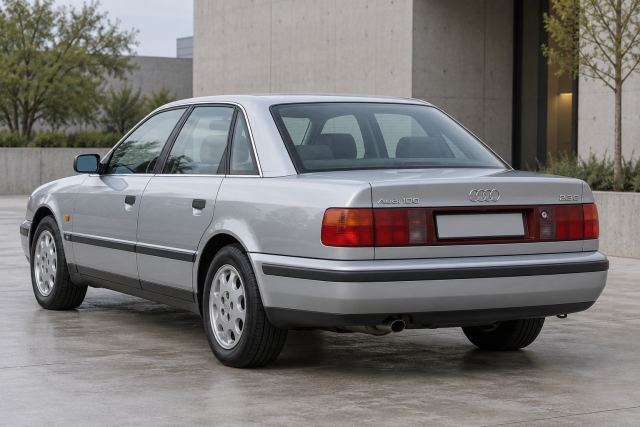 100
1968–1994 · 4 generations · 49 versions
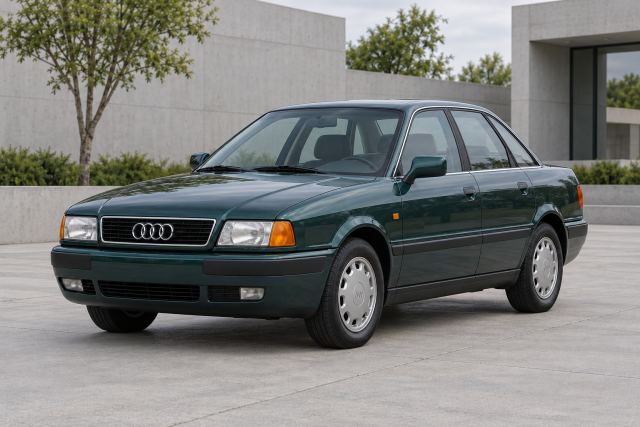 80
1972–1995 · 4 generations · 62 versions
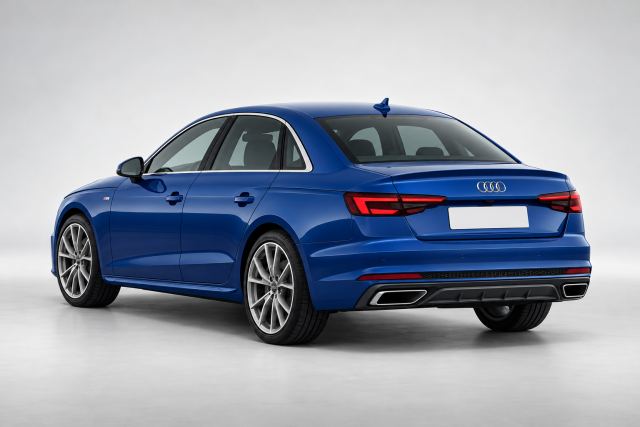 A4
1994–2025 · 8 generations · 259 versions
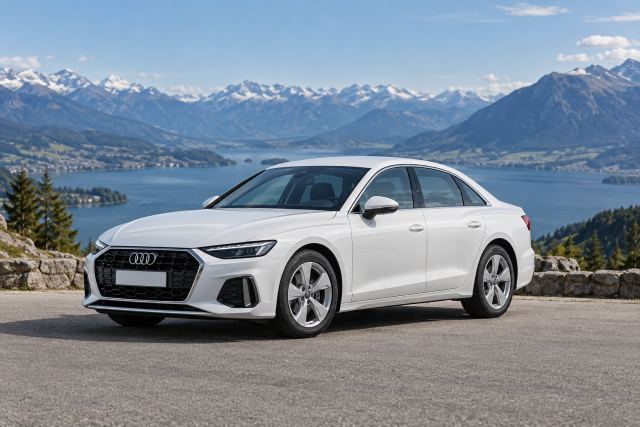 A6
1994–today · 9 generations · 256 versions
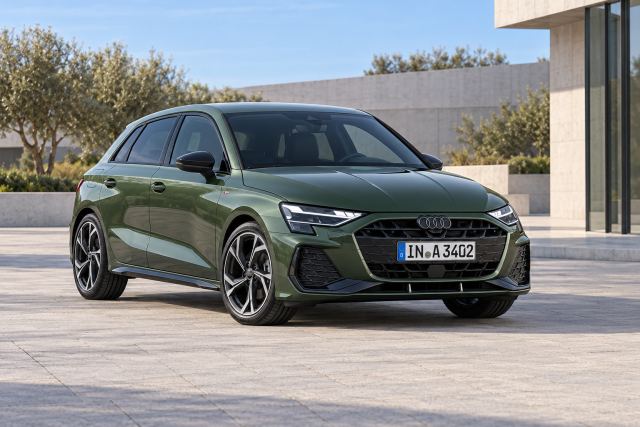 A3
1996–today · 8 generations · 199 versions
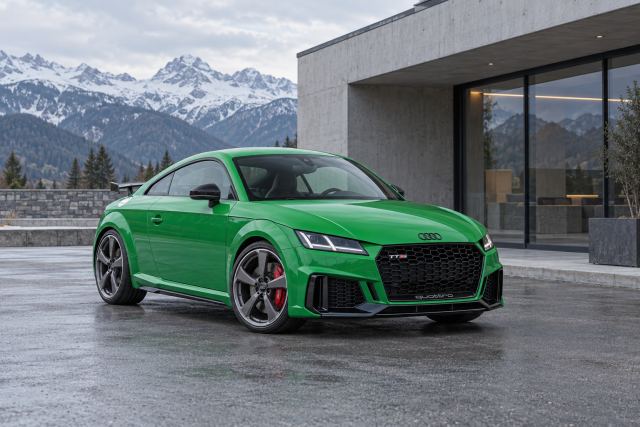 TT
1998–2023 · 5 generations · 69 versions
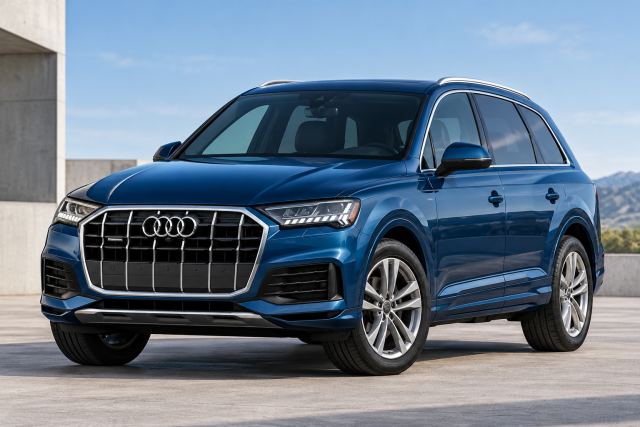 Q7
2006–2026 · 5 generations · 39 versions
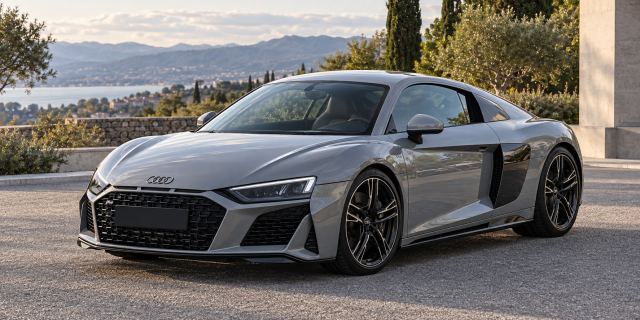 R8
2006–2024 · 4 generations · 27 versions
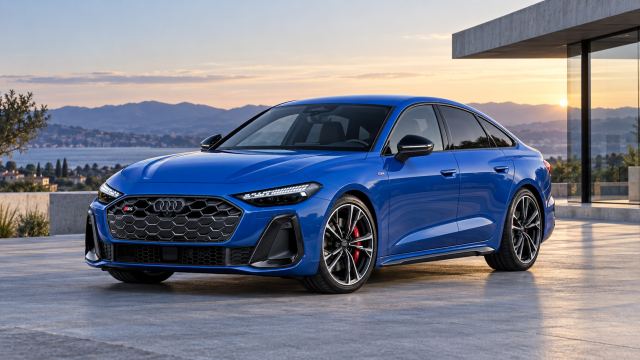 A5
2007–today · 5 generations · 172 versions
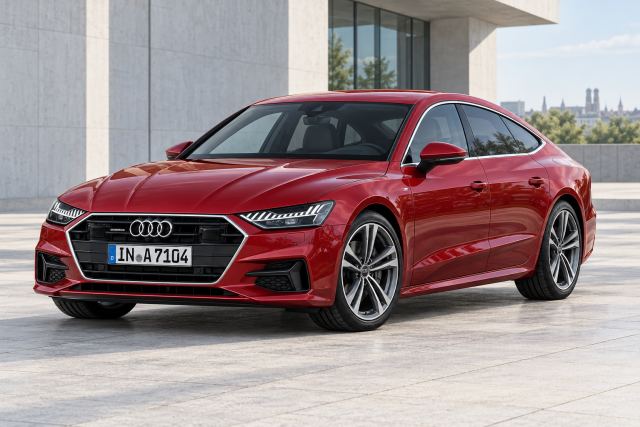 A7
2010–2025 · 4 generations · 43 versions
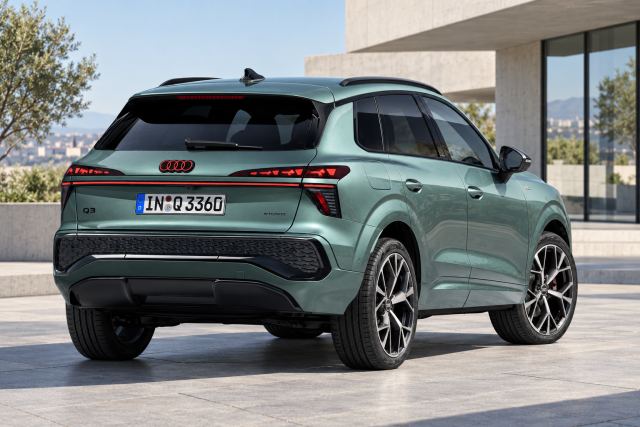
Q3
2011–today · 4 generations · 51 versions
Q6 e-tron
2024–today · 1 generation · 10 versions
Audi history year by year
The brand’s milestones, its logo changes and the launch of every generation of its models.
The 1890s
August Horch starts out in Cologne
Engineer August Horch founds A. Horch & Cie. in Cologne. In 1904 the company moves to Zwickau, in Saxony.
The 1900s
A second company in Zwickau
After leaving his first company, Horch founds another one in Zwickau. He cannot use his surname, which is already a trademark of the old firm.
The 1910s
The Audi name is born
The company becomes Audi Automobilwerke: “audi” means “listen” in Latin, just like “horch” in German.
The 1920s
The Audi Type K, with left-hand drive
It is the first German production car with left-hand drive, which would become the norm in countries that drive on the right.
The 1930s
Auto Union and the four rings
In the middle of the Depression, Audi, DKW, Horch and Wanderer merge into Auto Union, based in Chemnitz. Each ring in the logo is one of the four brands.
Auto Union’s “Silver Arrows”
Auto Union’s mid-engined racing cars, designed by Ferdinand Porsche’s office, win Grands Prix and set speed records until 1939.
The 1940s
Starting again in Ingolstadt
After the war the Saxon plants end up in the Soviet zone and are expropriated. Auto Union is re-founded in Ingolstadt, Bavaria, starting with DKW vans and motorcycles.
The 1950s
Taken over by Daimler-Benz
Daimler-Benz buys a majority of Auto Union and takes full ownership the following year.
The 1960s
Under Volkswagen, the Audi name returns
Volkswagen buys Auto Union between 1964 and 1966. In 1965 the first post-war car to carry the Audi name appears, with a four-stroke engine instead of DKW’s two-strokes.
The Audi 100
Developed almost in secret inside the Volkswagen group, the Audi 100 becomes a hit and secures the brand’s future.
Merger with NSU
Auto Union merges with NSU of Neckarsulm to form Audi NSU Auto Union AG.
The 1970s
The Audi 80
The Audi 80 arrives, the mid-size saloon that would eventually become the A4.
The 1980s
quattro: all-wheel drive in a road car
At the Geneva motor show it unveils the Audi quattro, with permanent all-wheel drive. It would dominate rallying in the early 1980s and give its name to the brand’s AWD system.
AUDI AG
Audi NSU Auto Union AG is renamed AUDI AG and moves its headquarters to Ingolstadt.
The first TDI
The Audi 100 TDI introduces the electronically controlled direct-injection turbodiesel, the basis of every TDI in the group.
The 1990s
An aluminium A8 and new names
The A8 debuts an aluminium body (Audi Space Frame). The A4, A6 and A8 names start the same year.
The TT arrives
The TT, barely changed from the concept car, becomes a design icon. The same year Audi buys Lamborghini.
The 2000s
A diesel wins Le Mans
The Audi R10 TDI becomes the first diesel-powered car to win the 24 Hours of Le Mans.
The 2010s
The first electric Audi
It unveils the e-tron, its first fully electric production model, an SUV later renamed Q8 e-tron.
The 2020s
Its own Formula One team
Audi enters Formula One as a works team, built on the former Sauber operation.